Yes, chickens can eat eggshells – and feeding eggshells back to your hens is one of the simplest, cheapest ways to top up the calcium that laying hens need for strong shells. Far from being a waste product, a clean, crushed eggshell is a natural, calcium-rich grit your flock will happily help themselves to.
Short answer: dry and crush clean eggshells until they no longer look like eggs, then offer them free-choice in a separate dish alongside (not mixed into) your hens' regular feed. The calcium strengthens their shells, and your birds take only what they need.
In this guide we'll explain why laying hens need extra calcium, the important difference between soluble grit (calcium) and insoluble flint grit (for digestion), and exactly how to turn your kitchen eggshells into homemade grit safely.

Why do laying hens need extra calcium?
A hen puts a remarkable amount of calcium into every egg she lays. The shell is almost pure calcium carbonate, so a productive layer is constantly drawing on her reserves to build shell after shell. If she doesn't get enough calcium from her diet, her body starts pulling it from her own bones to keep up – which is why a steady, accessible calcium source matters so much for laying hens.
Good-quality layers' pellets already contain calcium, but offering an extra calcium source free-choice lets each hen top up to her own needs. Eggshells and oyster shell are the two most popular options, and eggshells have the happy advantage of being free. For more on building a balanced diet around your layers, see our guide on what to feed your hens for high-quality eggs.
Soluble grit vs insoluble grit: know the difference
The word "grit" is used for two very different things, and getting them mixed up is a common source of confusion. Your hens benefit from both, but they do completely different jobs.
- Soluble grit (calcium grit): this is crushed eggshell, oyster shell or limestone. It dissolves in the hen's system and is absorbed as a calcium supplement to build strong eggshells. This is what your homemade eggshell grit provides.
- Insoluble grit (flint grit): this is hard, indigestible stone – usually flint. It doesn't dissolve. Instead it sits in the gizzard, where the muscular action grinds it against the hen's food to break down grain and tougher plant matter. Chickens that forage on grass naturally pick up small stones, but birds with limited ground access may need flint grit offered separately.
The key takeaway: eggshell grit supplies calcium, but it does not replace insoluble flint grit for digestion. A free-ranging flock will find most of their own digestive grit, while confined birds benefit from having flint grit available too. For a fuller breakdown of both types, see our guide to everything you need to know about mixed hen grit, and our overview of the different types of feed for your chickens.
How to make homemade grit from eggshells
Turning eggshells into homemade calcium grit takes just a few minutes of hands-on time. The two golden rules are to make the shells clean and dry, and to crush them small enough that your hens never associate them with whole eggs.
Step 1: Save and rinse the eggshells
Whenever you cook with eggs, keep the shells instead of binning them. Rinse them thoroughly to remove any leftover egg residue, then leave them to air dry. Dry shells crush far more easily and store better.
Step 2: Dry the eggshells thoroughly
To be sure the shells are fully dry, you can spread them out on a baking tray and pop them in a low oven – around 180°C (350°F) for about 10 minutes will dry and sterilise them and make them brittle. Keep an eye on them so they don't scorch. (You can also simply leave them to air-dry on a windowsill for a day or two if you'd rather not use the oven.)
Step 3: Crush so they're no longer recognisable as eggs
This step matters. Once the shells are cool and dry, crush them well – using a rolling pin, pestle and mortar, or a quick blitz in a food processor – until they're broken into small, gritty fragments rather than identifiable shell pieces. Crushing them down like this means your hens take them as a feed source and never learn to connect them with the whole eggs in their nest box.
Step 4: Store the homemade grit
Transfer the crushed eggshell to a clean, airtight jar or tub. Stored dry, it will keep for a long time, so you can build up a supply from your everyday cooking.
How to offer eggshells to your chickens
The simplest and safest way to feed eggshells to chickens is free-choice: put the crushed shells in a small separate dish or hopper, kept apart from the main feeder, and let your hens help themselves. Birds are good at self-regulating calcium, so each hen takes what she needs – laying hens will help themselves more, while others take less.
Offering it separately (rather than mixing it through their feed) means you're not forcing extra calcium on birds that don't need it, such as non-laying hens. Keep the dish topped up, sheltered from rain, and refresh it when it runs low. That's all there is to it.
The benefits of feeding eggshells to chickens
- Cost-effective: you're reusing something you'd otherwise throw away, so you save on shop-bought calcium grit.
- Natural and nutritious: eggshell is a natural, readily available source of the calcium laying hens draw on to build strong shells.
- Environmentally friendly: repurposing eggshells cuts kitchen waste and supports a more sustainable poultry-keeping routine.
Frequently asked questions about feeding eggshells to chickens
Can chickens eat eggshells raw?
It's best to dry and crush eggshells before offering them, rather than feeding large raw pieces. Drying makes them easy to crush, and crushing them small means your hens treat them as grit and don't start associating shells with the whole eggs in the nest box.
Will eating eggshells make my hens eat their own eggs?
Not if you crush the shells well. Egg-eating habits tend to start when birds recognise shell as food, so the rule of thumb is to crush eggshells until they no longer look like eggs before offering them.
Do eggshells replace grit for chickens?
Only the calcium kind. Crushed eggshell is a soluble calcium grit, but it doesn't replace insoluble flint grit, which hens need in the gizzard to grind their food. Free-ranging birds usually find their own digestive grit; confined birds may need flint grit offered separately.
How much eggshell should I give my chickens?
There's no need to measure it out. Offer crushed eggshell free-choice in a separate dish and let your hens take what they need – they're naturally good at regulating their own calcium intake. If you ever have concerns about a hen's health or laying, speak to your vet or a qualified poultry specialist.
Healthy hens start with a clean, well-kept coop
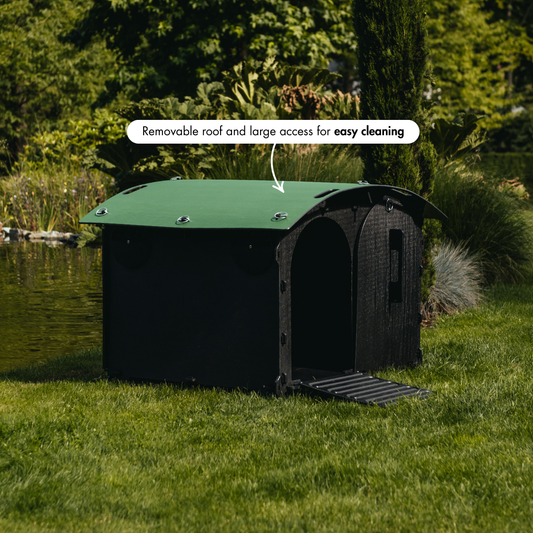
A calcium-rich diet keeps your hens laying beautifully strong eggs – and a clean, comfortable home keeps them healthy enough to make the most of it. Our range of easy-clean recycled-plastic chicken coops is made from 70% recycled plastic with smooth surfaces and no timber cracks, so they're quick to clean and built to last up to 25 years depending on the model. Give your flock great food and a great coop, and they'll reward you with happy, productive laying.